

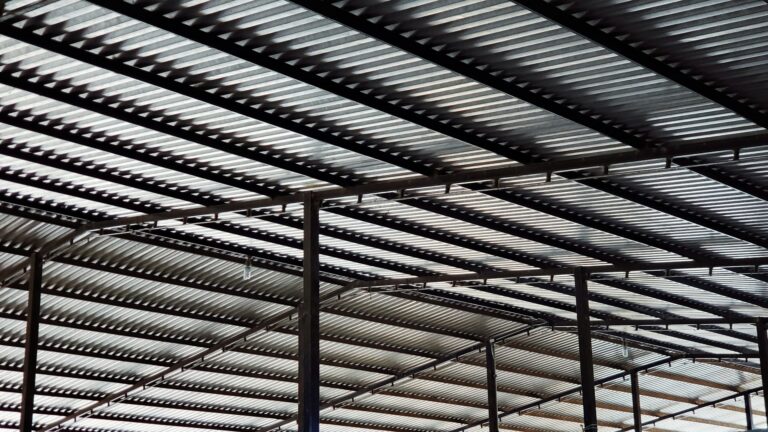
Texas multifamily starts are still strong, and the framing phase is where schedules either hold or fall apart. Developers pricing two- to five-story apartment projects in the south-central US run into the same problem: stick-framed floors with repetitive unit layouts take too long because every floor gets rebuilt from scratch.
A prefabricated steel framing system changes that math by shifting fabrication off-site. Components are engineered to the drawing, cut to exact lengths, labeled for sequencing, and shipped ready to assemble. Studs don’t warp in the yard. Panels don’t show up short. The framing package that lands on your site matches what the engineer signed off on.
Below, you’ll find specs, process details, and real application examples to help you figure out if panelized cold-formed steel makes sense for your next project. The system ships out of Bonham, TX, covering builders and developers across the south-central US: Kansas City to Laredo, Amarillo to New Orleans.
Why Stick Framing Keeps Slowing the Job Down
Stick framing costs more than just the lumber. It eats up your schedule, coordination bandwidth, and crew hours fixing issues that shouldn’t be there. Field cuts, material variance, and crew-dependent quality all show up in your finish dates.
When Material Variability Turns Into Field Fixes
Wood framing stock is graded, not precision-made. Moisture content jumps around from shipment to shipment, and you’ll find dimensional drift even within a single load. A “2×4” might be off by 3/8 inch, bowed or crowned.
That means framers have to make judgment calls on every run. Shimming, planing, reselecting: these aren’t rare; they’re daily. Every fix pulls someone off production, eating up time that never gets its own line item but always lands in the final completion date.
Cold-formed steel dodges this entirely. The material properties are set by gauge and coating spec, not by the quirks of a tree. Dimensional consistency isn’t a hope; it’s a manufacturing result.
Why Drawings Break Down After Delivery Day
Design intent makes it through the permit set, but rarely survives first delivery. Field crews adapt to what shows up, and those on-the-fly tweaks ripple into MEP rough-in conflicts, framing headaches at windows and doors, and drywall that misses stud centers.
Each field fix is a future callback. Panelized framing systems built on BIM (Building Information Modeling) lock the design into the fabrication file. What the engineer drew, the machine cuts.
The ICC G6 Guideline on Advanced Panelization points out that off-site construction gets ahead of workforce shortages, supply chain hiccups, and jobsite safety, all of which tie back to the drawing-to-delivery breakdown you see in stick-built projects.
How Labor Gaps Show Up in Framing Schedules
Skilled framers are harder to find and pricier than just a few years ago. Stick framing demands labor: measure, cut, fit, adjust, repeat. Your best crew runs the saw while less experienced hands stand by.
Panelized delivery shifts skilled labor to the shop. The shop handles cutting, punching, and assembly. The site crew sets, attaches, and moves on. That’s where framing timelines really compress, not just on paper.
What a Prefabricated Steel Framing System Package Actually Includes
Panelized packages aren’t just material drops. You get a sequenced, labeled set of components, ready for assembly. No field cutting needed for standard conditions. Here’s what that looks like in the real world.
Prefabricated Wall Panels, Studs, and Track Cut to the Drawing
Wall panels arrive pre-assembled: studs, track, and openings already framed to the engineered layout. Service holes for MEP runs are machine-punched on all vertical studs. There’s no drilling schedule to wrangle on site.
Stud sizing follows the structural design. Standard load-bearing studs come in 6-inch and 3-5/8-inch web widths, with gauges from 20 Ga. down to 16 Ga. for heavier conditions. Each part has a unique ink label matching the assembly sequence in the delivery package.
Sheathed panels with Zip Board are available. Fully enclosed panels aren’t shipped for inspection and jurisdiction reasons, but insulated panels can be shipped partially enclosed and ready for inspector access. That detail matters for your submittal and inspection planning before delivery day. Check out From Design to Development.
Roof Trusses, Floor Joists, and Other Structural Components
Gable roof trusses, floor trusses, roof joists, and floor joists are all fabricated off-site and shipped ready to set. Open web trusses let MEP runs pass through the truss chord. No notching or field mods needed.
| Component | Typical Application | Notes |
|---|---|---|
| Roof trusses | Residential and light commercial | Open web, pre-engineered |
| Floor trusses | Multifamily, elevated floors | MEP-friendly open web |
| Roof joists | Shallow-pitch and flat-roof conditions | Cut to engineered span |
| Floor joists | Platform and podium conditions | Consistent depth, no crown |
| Wall panels | Loadbearing and non-loadbearing | Pre-punched, labeled |
Frame erection usually runs four steps: connectors set to the foundation, wall panels attached, open web trusses installed, then subfloor applied with lightweight concrete or dry-applied cementitious board. That sequence repeats across units in a multifamily project.
Bathroom Pods and Other Repeatable Assemblies
Bathroom pods ship as complete volumetric assemblies. For multifamily and hospitality, pod delivery wipes out repeated MEP rough-in cycles across identical units. The coordination happens once in the BIM model and fabrication file. It’s not rehashed for every floor.
On a 100-unit apartment project with identical bathrooms, pods mean the same installation connects at each unit. No rebuilding the rough-in from scratch every time. Pods and panels arrive together in a sequenced delivery, which pays off in installation speed that stick framing can’t match per unit.
How Off-Site Fabrication Cuts Labor Hours and Rework
Off-site fabrication doesn’t just cut labor by using machines. It cuts out the work that only exists because field conditions are unpredictable. When parts are right, crews build. When they’re not, everything stalls.
BIM Coordination Before the Crew Hits the Site
BIM-driven design catches clashes in the model before they become field headaches. Structural members, MEP runs, window openings, stairwells: everything coordinates in a shared cloud-based file. The result is a fabrication-ready drawing set with no dimensional surprises waiting at rough-in.
Autodesk Revit 3D BIM supports clash detection, precise material lists, and accurate scheduling. That data continuity carries through fabrication, delivery, and even into operations later. The schedule benefit starts the moment design is signed off, not just at delivery.
Exact-Length Parts, Labels, and Sequencing That Speed Assembly
Every component shipping from the Bonham, TX building center is punched, dimpled, and cut to exact length using dedicated Howick roll-forming equipment. Tolerances are much tighter than what you’ll get from a circular saw on a job trailer.
Each part is labeled with a unique ink identifier matching the assembly sequence. A crew that can read the label and follows the sequence doesn’t need a senior framer interpreting drawings at every turn. That sequencing is where labor hour reductions really show up, in assembly pace, not just the cut list.
- Parts cut to engineered length: no field saw needed for standard conditions
- Machine-punched service holes: MEP routing pre-planned and pre-cleared
- Unique ink labels: each part mapped to assembly sequence
- Panels pre-assembled off-site: wall sections set, not built, on site
- Trusses pre-engineered: set and connect, no field fabrication
Why Cold-Formed Steel Stays True When Wood Does Not
Cold-formed steel doesn’t soak up moisture, swell, shrink, or take a crown after delivery. A 20 Ga. stud set today is the same dimension as one set six months from now. That stability is what makes labor reduction repeatable, not just a lucky lumber shipment.
Cold-formed steel framing also meets engineered resistance to wind, snow, and seismic loads per AISI S240 standards for structural cold-formed steel. The structural spec you sign off on is what gets delivered. No surprises from a batch milled at the wrong time or left to sit in a yard.
Some building types benefit way more from this consistency than others.
Where the System Pays Off First
The return from a panelized steel framing solution isn’t the same for every project. Schedule compression and labor savings really show up where repetition and coordination complexity are highest.
Multifamily Projects With Repetitive Unit Layouts
Multifamily projects get the most out of panelized steel. Identical floor plans mean the BIM model gets built once, and the fabrication file runs again and again. Every unit ships with the same panels, same labels, same assembly sequence.
That repetition is where the schedule advantage becomes real. A two- or three-story townhome project with 12 identical units doesn’t need 12 separate framing setups. One setup runs 12 times with pre-built components. Framing that might take weeks with stick crews often wraps up in days with a panelized package.
For apartment projects with five or more floors, the speed gain compounds. Each floor follows the same sequence as the last. The crew gets faster as the job goes on, and floor-to-floor heights stay consistent because CFS studs don’t shrink or settle after install. That matters for stair risers, window rough openings, and finish work across every unit.
ADUs, Single-Family Homes, and Small Footprint Builds
Accessory dwelling units (ADUs) and single-family builds see the same dimensional precision, but the payoff is a bit different. On a tight footprint, even a quarter-inch wall error can mess up every finish trade. Steel holds its plane.
For builders on tight lots with limited staging, panelized delivery also keeps the site cleaner. Components show up sequenced and ready. No lumber pile to sort, no cut-off pile to haul away. The jobsite stays cleaner and safer through framing.
Light Commercial and Drywall Framing Conditions
Light commercial projects (strip centers, QSR buildouts, tech flex) often mix load-bearing exterior walls with non-load-bearing interior drywall framing. A panelized package can handle both in a single coordinated delivery.
Non-loadbearing interior framing in 25 Ga. or 20 Ga. track and stud can be pre-cut and labeled just like structural parts. Drywall crews get a package where stud spacing, header heights, and service hole locations are already set to the interior drawings. That alone cuts down the back-and-forth between framing and drywall that drags out commercial jobs.
Steel vs Wood: Where the Schedule and Spec Gap Gets Real
Steel outperforms wood on dimensional consistency by a wide margin. That gap isn’t just cosmetic. It impacts every trade that follows the framers.
Dimensional Stability and Why Straight Walls Matter
Straight walls aren’t just about quality. They’re about staying on schedule. If drywall won’t sit flat, tile won’t line up, or cabinets don’t fit, chances are the wall shifted after framing. Wood does that. Cold-formed steel doesn’t.
Steel studs hold their shape. They don’t twist or warp when the weather changes. The steel vs wood framing comparison isn’t just theory for finish trades; it’s the difference between a smooth install and a round of callbacks that chew up time and money.
What Wood Framing Costs You After the Build Is Done
Wood framing brings risks that steel avoids. Mold, termites, rodents, and rot aren’t rare in Texas and the south-central US. Each one can mean a callback, a warranty claim, or remediation after occupancy.
Cold-formed steel is inorganic. Mold can’t grow on it, and pests won’t touch it. For developers with warranty exposure, that’s a long-term cost cut that doesn’t show up on the framing line but definitely pops up in the service call log.
Design Flexibility Without Losing Cost Control
Steel’s high strength-to-weight ratio lets you span farther without extra bearing walls. That gives architects and developers more freedom in open layouts. No need to pay for extra footings or columns.
Open web trusses keep MEP systems inside the structure, so you can shrink floor-to-floor heights or free up ceiling space without adding depth. You don’t have to pick between design flexibility and cost control if you engineer the system from day one.
What to Review Before You Price the Framing Package
Getting the price right on a panelized steel framing package takes three things: a confirmed engineering scope, a delivery plan, and a real look at what actually gets you to occupancy faster.
Engineering Scope, Gauges, and Loadbearing Requirements
The gauge spec drives the structural math. Loadbearing studs, 20 Ga. and thicker, carry dead, live, wind, snow, and seismic loads as engineered. Non-loadbearing interior framing? Usually 25 Ga. Specify the wrong gauge, and you’re either out of code or wasting money.
| Gauge | Mil Thickness | Typical Use |
|---|---|---|
| 16 Ga. | 54 mil | Heavy structural exterior walls |
| 18 Ga. | 43 mil | Loadbearing mid-rise conditions |
| 20 Ga. | 33 mil | Standard loadbearing stud |
| 25 Ga. | 18 mil | Non-loadbearing interior partition |
Stud web widths, 6 inch and 3-5/8 inch, cover most structural and partition needs. Confirm your design loads and wind exposure before you order fabrication to avoid mid-production changes.
Delivery Planning, Site Access, and Installation Sequencing
Panelized delivery needs a sequencing plan before the truck shows up. Panels, trusses, and pods come off the line in assembly order. If site access or crane positions change, your delivery sequence has to change too.
The building center in Bonham, TX covers a 500-mile radius from Dallas: most of Texas, Oklahoma, Louisiana, and into Kansas and New Mexico. Plan your lead time in preconstruction, not at the last minute.
Damaged panels aren’t usually a loss. Field repairs with basic tools are common. You can pull an identical panel from your shipment, or get a replacement shipped out from inventory quickly.
What a Faster Path to Occupancy Really Depends On
Panelized steel framing installs fast. But occupancy speed depends on what follows: MEP rough-in, inspections, drywall, finish work. Trades move quicker when framing is straight, punched for MEP, and complete the first time.
Pre-punched service holes, pre-wired panel options, and BIM coordination all shrink the total schedule, not just the framing phase. If you’re managing multiple trades, that level of coordination is worth a close look before you price the framing package.
Frequently Asked Questions
Cut Schedule Slips: How Fast Can Panelized Framing Install Compared to Stick-Built Light-Gauge Steel?
Panelized framing usually goes up in days, while stick-built takes weeks for similar floor plans. The speed comes from pre-assembled panels, labeled sequencing, and a crew that sets instead of building each piece. Repetitive layouts, like multifamily units, go even faster since the sequence repeats.
Control Budget Early: What Drives Installed Cost for Cold-Formed Steel Framing on Mid-Rise and Multifamily Jobs?
Gauge selection, floor plan repetition, and MEP coordination up front drive the cost. Lock the design before fabrication and avoid mid-production changes for the best budget control. Off-site fabrication shifts costs from unpredictable field labor to predictable manufacturing, which is easier to forecast.
Reduce Rework: What Design Details Prevent Framing Clashes at MEP Rough-In and Window Openings?
BIM clash detection finds conflicts between framing and MEP before fabrication. Machine-punched service holes on every vertical stud align with the MEP plan in the model. Window and door openings are framed to the engineered rough opening dimension, so there’s no need for field improvisation. Reviewing prefabricated wall panel details before you lock the design helps avoid those headaches.
Cut On-Site Labor: What Level of Shop Fabrication and Pre-Punching Can You Get With Prefabricated Wall Panels?
Panels ship with studs and track assembled, service holes punched, and openings framed to the approved layout. You can get panels pre-wired for simple connections on site, and MEP integration is built in during manufacturing. The crew sets and connects; the shop’s already done the cutting, assembly, and punching.
Speed Approvals: What Submittals and Engineering Stamps Do You Need for Steel Framing Packages in North Texas?
Cold-formed steel framing packages need stamped engineering drawings, a bill of materials, and product data sheets confirming gauge, coating, and compliance with AISI S240 and the IBC edition adopted locally. The SFIA technical product guide gives a solid reference for steel member specs that match current IBC requirements. Submitting a complete BIM-based package with labeled panel drawings can speed up inspector review since the paperwork matches what’s built.
Avoid Delivery Delays: What Lead Times and Logistics Should You Plan for a 500-Mile Radius From Dallas?
Lead time depends on project complexity, design finalization, and current production load. Get your fabricator involved during preconstruction for the most flexibility. The 500-mile delivery radius from Dallas covers most of Texas, Oklahoma, Louisiana, and parts of Kansas and New Mexico. Build delivery sequencing into your logistics plan before fabrication starts, so panel drop locations, crane access, and inspection windows line up with production and shipping.
Price the Package, Build on Deadline
Missed framing schedules, field fixes for warped stock, and drawings that don’t match what arrives on site: these don’t have to be a given on multifamily and apartment projects. Prefabricated steel framing turns fabrication into manufacturing and installation into a sequenced assembly. The labor savings are built in, because the problems that cause rework with wood just aren’t there in cold-formed steel.
If you’re pricing out a framing package for a multifamily, apartment, or residential development in the south-central US, the specs and logistics are simple to confirm up front. Call Symmtrex at (469) 842-7794 or send your project specs online for a fabrication estimate.