

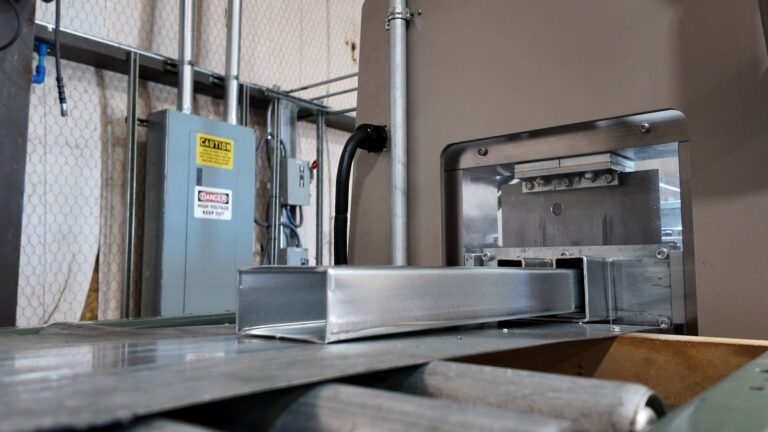
Cold-formed steel framing details directly affect how efficiently a project moves from design to installation. When cold-formed steel framing details are incomplete or unclear, teams face delays, rework, and coordination breakdowns. These issues often surface in the field, where corrections cost more time and labor.
Symmtrex approaches framing as a coordinated system, where details align with real workflows and jobsite conditions. This method supports better sequencing and reduces uncertainty before installation begins. The result is a more controlled path from model to execution.
This article explains how to structure framing details for better coordination and faster delivery. It focuses on assemblies, connections, and documentation that reduce risk and improve build consistency. The goal is to help teams maintain control while accelerating project timelines.
The Detail Set That Drives Layout, Coordination, and Installation
Cold-formed steel framing works best when the detail set is complete before procurement starts. That means your drawings need clear assembly intent, load path logic, and field-ready connection points. When those pieces are missing, you lose time in RFIs, shop drawing cycles, and site corrections.
A good steel framing plan keeps the structure moving from model to fabrication to installation with fewer interruptions.
Core Assembly Types Teams Need First
Your first task is to lock down the main framing conditions. That usually includes load-bearing walls, non-load-bearing partitions, shafts, floor edges, and roof support zones. Each assembly affects spacing, member size, fasteners, and connection hardware.
If those basics stay vague, the field team has to make assumptions that can affect quality and schedule.
How Load Paths Show Up In Typical Connections
Load paths need to be visible in the connection details. You should know where gravity loads move, where lateral loads transfer, and where deflection is expected.
In structural metal framing, that often means clear anchor points, clip angles, hold-downs, and track conditions. The better the load path is shown, the fewer surprises you face during install.
Where Incomplete Drawings Create Field Delays
Incomplete details usually show up at interfaces. Common trouble spots include slab edges, beam pockets, shaft walls, and utility penetrations.
When the drawings do not show exact fastening or tolerance needs, crews stop and wait for direction. That delay can ripple across drywall, MEP rough-in, and finish work.
Wall, Opening, and Header Conditions That Need Clear Resolution
Wall details are where many coordination issues begin. Openings, interfaces, and changes in wall type need to be defined early so the framing crew can build with confidence. Clear CAD details help you avoid guesswork at the points that matter most.
They also give architects and engineers a shared reference for the framing layout.
Interior Partition Framing Conditions
Interior walls may seem simple, yet they often carry more coordination issues than load-bearing walls.
You need to confirm height, deflection, sound control, and attachment to floor and ceiling systems. If the partition meets rated assemblies or shaft walls, the detail set should show the fire and acoustic requirements, too. That keeps the install aligned with the design intent.
Exterior Wall Interfaces and Bypass Framing
Exterior walls often meet slabs, parapets, balconies, and structural edges. Those edges need clear bypass framing or attachment details so the wall system remains aligned.
You should also show insulation continuity, air barrier transitions, and moisture control layers. When those pieces are missing, the wall may go up, yet the envelope work slows down.
Door, Window, Sill, Jamb, and Header Variations
Openings need exact header sizes, jamb reinforcement, sill conditions, and fastening notes. Small changes in opening width can change the entire framing response.
That is why CAD details should show more than a basic rough opening. They need to show the full assembly so the field team can build it once and build it right.
Opening Detail Requirements by Condition
| Component | Key Requirement |
| Header | Load capacity and span support |
| Jamb | Reinforcement and fastening |
| Sill | Drainage and support condition |
| Opening | Full assembly definition |
Roof, Floor, and Movement Connections Without Guesswork
Roof and floor framing details affect structural alignment, finish quality, and sequence of work. Movement connections matter too, since the building needs space for deflection without damaging the enclosure.
When these details are clear, you protect the frame, the finishes, and the schedule. That is especially important in cold-formed steel systems with tight coordination demands.
Top-of-Wall Deflection and Slip Track Conditions
Top-of-wall details must account for deflection from floors or roofs above. Slip track, deflection track, and movement gaps help prevent load transfer into non-structural walls.
If the gap is wrong, you can get cracked drywall, binding doors, or uneven finish lines. A good detail shows both the structural movement and the finish condition.
Joist, Truss, Rafter, and Deck Attachments
Framing at roofs and floors needs clear support points and fastening methods. Joists, trusses, rafters, and deck attachments should match the actual load and span conditions.
You should also show where bridging, web stiffeners, and bearing plates are required. These details help the crew install the system with less field correction.
Bracing, Bridging, and Alignment Requirements
Bracing is not optional in cold-formed steel framing. It controls stability during erection and helps the structure perform as intended after installation. The drawings should show spacing, direction, and attachment for bridging and bracing members.
Without that, field crews may install components out of sequence or in the wrong location.
Standards, Compliance, and the References Behind Trusted Drawings
Strong details should align with the standards that govern design and installation. That gives your team a common baseline for compliance, review, and field execution.
If you are working through plan review or permit response, reliable references reduce back-and-forth. They also help you protect code compliance from the start.
Use Industry Standards to Strengthen Submittal Accuracy
Many detail sets reference standards but do not fully integrate them into documentation workflows. According to the International Code Council, construction documents must clearly demonstrate compliance with applicable codes and referenced standards.
This gap can lead to rejected submittals and extended review cycles. Embedding compliance directly into detailed documentation reduces friction during approvals and improves project timelines.
How AISI and ANSI Frameworks Influence Project Documents
Cold-formed steel documents often follow AISI-based design methods and ANSI-accredited standards processes. That means your details need to reflect accepted engineering practice, not just manufacturer preference.
The ANSI standards development organization process helps support consistency in technical documents. For your project, that consistency can reduce disputes during review and submittal.
What Designers Should Check for Code Compliance
Designers should confirm member size, connection loads, fire ratings, and lateral bracing needs. They should also check whether the details match the project’s occupancy and structural demands.
If the building uses engineered components, the submittal set should show how those parts connect to the broader structure. That makes code review easier and lowers the chance of rework.
How Evaluation Reports and Standard Practice Reduce Risk
Evaluation reports, standard practice documents, and tested assemblies help prove that a detail can perform as designed. That is useful when the project team needs a defendable basis for approval.
Industry groups such as CFSEI, the Cold-Formed Steel Engineers Institute, SFIA, the Steel Framing Industry Association, and SSMA help spread standard technical content. Their guidance can support safer, more consistent framing decisions.
Where Professionals Source Reliable CAD Libraries and Design Support
Reliable detail sources save time during design and submittal review. They also help you avoid rebuilding common conditions from scratch.
You still need to review each detail against the project, since no library can replace project-specific engineering. A good source gives you a strong starting point, not a final answer.
Manufacturer Detail Libraries and Custom Connection Help
Many manufacturers provide libraries for common walls, headers, tracks, and attachment conditions.
Those resources can speed up early design and help align the team on standard assemblies. For more complex interfaces, custom connection help may be needed. That is common when spans, loads, or tolerance needs fall outside a standard catalog detail.
Association Resources for Standardized Technical Content
Association resources can help you compare detailed intent across the industry. They are useful when you want a common language for framing specs, submittals, and review comments.
You may also find manufacturer and association libraries that reflect similar conditions in steel framing. That makes it easier to coordinate details across disciplines.
When to Use CAD Details as a Starting Point Rather Than a Final Design
A CAD detail should guide the design team, not replace engineering judgment. That matters when the project has unusual spans, seismic needs, fire ratings, or tight tolerances.
Use the library detail to start the conversation, then confirm the final assembly against the project documents. That approach gives you speed without losing control.
Using Detailed Framing Information to Reduce Rework and Speed Delivery
Better framing details help you keep projects moving from model to install. They support cleaner BIM coordination, smoother panelization, and fewer field interruptions. For developers, that can mean more predictable delivery. For architects and engineers, it means fewer design conflicts and clearer technical decisions.
How Better Detail Resolution Supports BIM and Panelization
BIM works best when the framing details are already resolved. The model can then support fabrication, sequencing, and installation planning with fewer changes later. That matters in structural metal framing because panelized work depends on tight coordination.
When details are clear, panels arrive ready to place and adjust less on site.
Coordination Wins for Developers, Architects, Engineers, and Contractors
Developers want fewer schedule slips and better cost control. Architects need details that protect design intent without creating field confusion. Engineers need load paths and compliance to stay intact.
Contractors need install-ready information so crews can keep moving without waiting for answers. Clear, coordinated cold-formed steel framing details are the foundation for project success.
When teams invest in detail quality, they gain schedule control, reduce risk, and build with greater confidence. Whether you are designing, engineering, or building, the right details help everyone move forward together.
From the earliest design sketches to the last piece of installed track, the value of clear framing details cannot be overstated.
They bridge the gap between intent and execution, making it possible to deliver projects on time and on budget. As cold-formed steel continues to grow in popularity, those who master the art of detail will lead the way in efficient, high-quality construction.
Common Documentation Gaps That Disrupt Schedule and Cost Control
The biggest problems often come from missing anchors, vague opening details, and weak movement joint notes. Missing interface data can also stall MEP routing and finish work.
When you fix those gaps early, you reduce rework and improve predictability. That is where a coordinated cold-formed steel framing system helps most. The detail set supports the process from design through delivery.
Strengthen Framing Outcomes Through Better Detail Control
Clear framing details shift projects from reactive problem-solving to controlled execution. When assemblies, connections, and interfaces are resolved early, teams reduce delays and avoid costly field corrections. This approach improves both schedule performance and build quality.
Symmtrex supports this process by aligning framing systems with coordinated planning and execution methods. By integrating detail resolution with fabrication and installation workflows, projects gain consistency and reduce uncertainty across all phases.
Focus on the points where framing details typically break down, and resolve them before they reach the field. Strengthen coordination, confirm load paths, and align documentation with real installation conditions. Explore our building center to review framing systems.
Frequently Asked Questions
What are cold-formed steel framing details?
Cold-formed steel framing details define how components connect, align, and perform within a structure. They include assemblies, connections, and interface conditions. These details guide both design intent and field installation.
Why are framing details important for project timelines?
Framing details reduce uncertainty during construction. When details are clear, crews can install systems without waiting for clarification. This helps maintain the schedule and reduces delays.
How do framing details impact coordination between trades?
Detailed framing plans improve coordination by clearly defining interfaces between systems. This reduces conflicts with MEP and finishing trades. Better coordination leads to fewer disruptions on site.
What role does BIM play in framing detail accuracy?
BIM allows teams to visualize and coordinate framing details before construction begins. It helps identify conflicts and improve alignment between design and installation. This reduces rework and improves efficiency.
When should framing details be finalized in a project?
Framing details should be resolved before procurement and fabrication begin. Early resolution allows for accurate pricing and smoother installation. It also reduces the risk of mid-project changes.