Structural steel studs handle problems that wood just can’t. Cold-formed steel (CFS) keeps its shape, doesn’t twist or warp on site, and handles the loads and spans the drawings call for. When the fabricator cuts studs to exact lengths and labels them by sequence, your crew is assembling, not solving puzzles in the field.
read moreThis article focuses on what steel framing delivers for single-family and small residential projects, including post-storm rebuilds in North Texas.
read moreLet’s dig into how open-cell and closed-cell foams behave with steel, what condensation risk looks like at the flange, and how off-site panelized fabrication changes your insulation sequence compared to stick-built steel. This is aimed at builders and developers in Texas and the south-central US, where climate adds another twist to the vapor control puzzle.
read moreA prefabricated steel framing system changes that math by shifting fabrication off-site. Components are engineered to the drawing, cut to exact lengths, labeled for sequencing, and shipped ready to assemble. Studs don’t warp in the yard. Panels don’t show up short. The framing package that lands on your site matches what the engineer signed off on.
read moreThis guide breaks down the cold-formed steel (CFS) stud sizing system: how to actually read a callout, what the standard dimensions mean in real-world terms, and how to match stud selection to structural or non-structural use. There’s a size chart below and a look at the field conditions that force a spec change mid-project.
read moreThese aren’t really design issues, and they hit right when you can’t afford delays. Metal stud framing details demand precision. Cold-formed steel (CFS) doesn’t have the variability of wood. Every stud comes off the roll-former with the same gauge, web depth, and flange width.
read moreLight-gauge steel framing tackles that problem right at the source. Fabricating components off-site to tight tolerances shrinks the variables before anyone steps onto the slab. Here’s a look at how the off-site cold-formed steel (CFS) model actually works, where the time and labor savings show up, and which projects really benefit.
read moreWith a prefabricated steel framing system, framing becomes an assembly process, not a jobsite cutting marathon. Components get built off-site to engineered drawings, labeled for install order, and shipped ready for fast assembly. That shift takes most of the field measuring, cutting, and guesswork out of the equation, and that’s usually where commercial framing jobs go sideways.
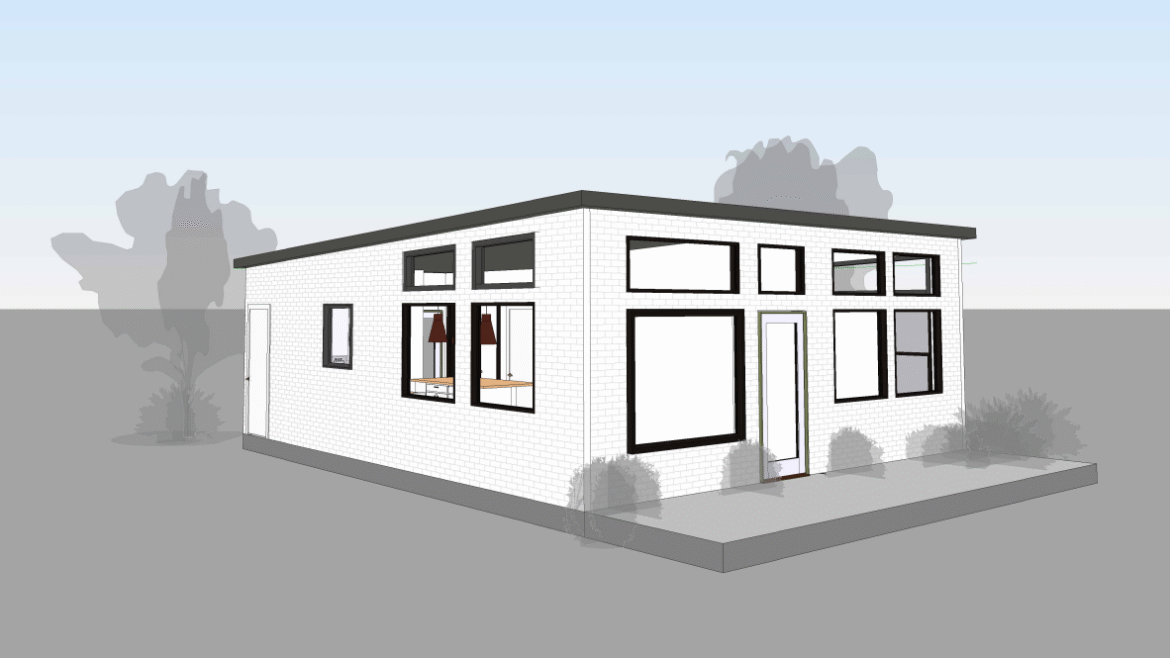
read moreBuilders pricing ADU framing in the south-central US know the friction points: lumber that arrives wet or warped, crews stretched thin, and walls that drift from plumb in the first humid month. Cold-formed steel framing cuts through that.
read moreBoth framing systems can last the lifetime of a properly built home. The difference comes down to how each material reacts to environmental stress, structural loading, and moisture exposure.
read more